
-
 Automating secure container registry management for air-gapped AWS workloadsby Suneet Bhatnagar on October 16, 2026 at 5:48 pm
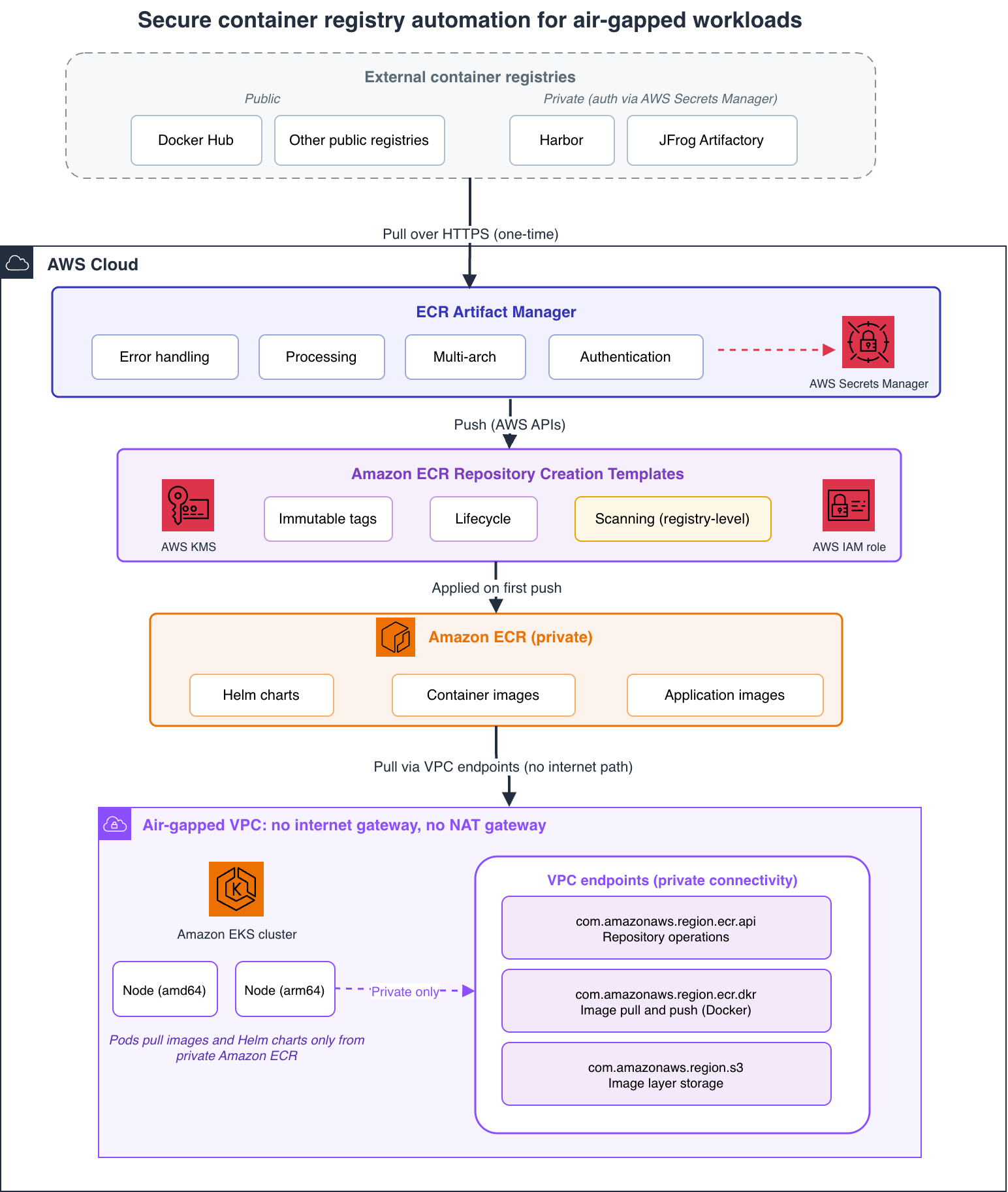
Organizations in regulated industries run container workloads in air-gapped AWS environments, which means migrating hundreds of Helm charts and images into private Amazon ECR with consistent security controls. This post uses Amazon ECR repository creation templates, Terraform, and a migration tool to make secure-by-default the path of least resistance.
-
 AWS Security Agent (now part of AWS Continuum) exploited 33 of 37 new real-world CVEsby Dazhi Zhang on October 15, 2026 at 4:10 pm
We applied AWS Security Agent (now part of AWS Continuum), our autonomous penetration-testing agent, to 37 real, recently disclosed Common Vulnerabilities and Exposures (CVEs), each packaged as a live, containerized target with a flag hidden at the vulnerability’s intended sink. Starting from an unauthenticated or low-privilege position (an endpoint URL and a one-line hint, no
-
 Penetration testing every deployment with AWS Continuumby Jigar Bhatt on October 14, 2026 at 8:21 pm
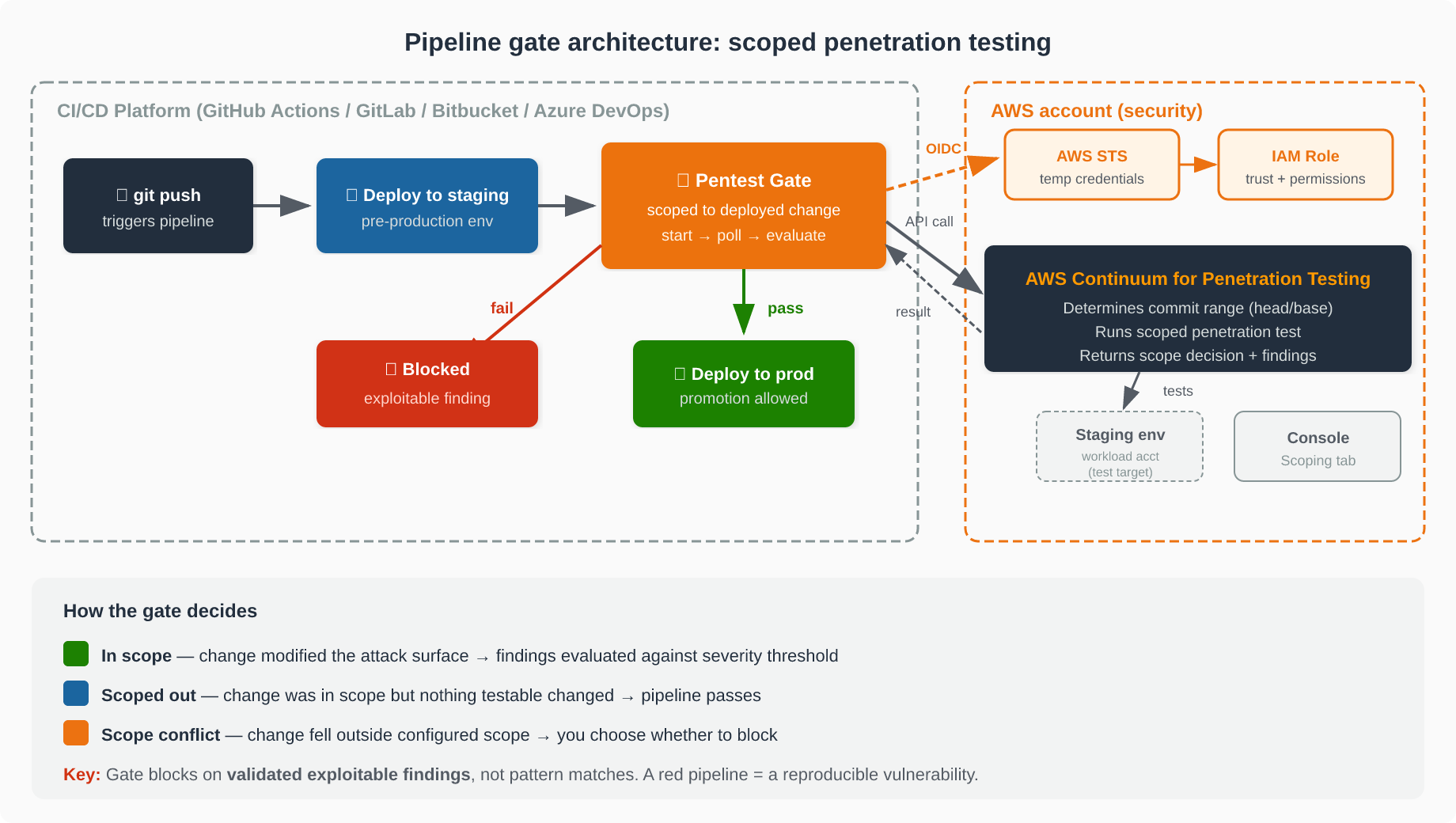
Most security tooling that fits into a CI/CD pipeline—static analysis (SAST), software composition analysis (SCA), and dynamic scanners (DAST)—flags potential issues from patterns and signatures. A flagged pattern shows you where to look; penetration testing is what confirms whether something is actually exploitable. That confirmation has traditionally come from a periodic, out-of-band engagement that runs
-
 Amazon S3 is now available on the Vercel Marketplace and v0 by Vercelby Daniel Abib on October 14, 2026 at 7:30 pm
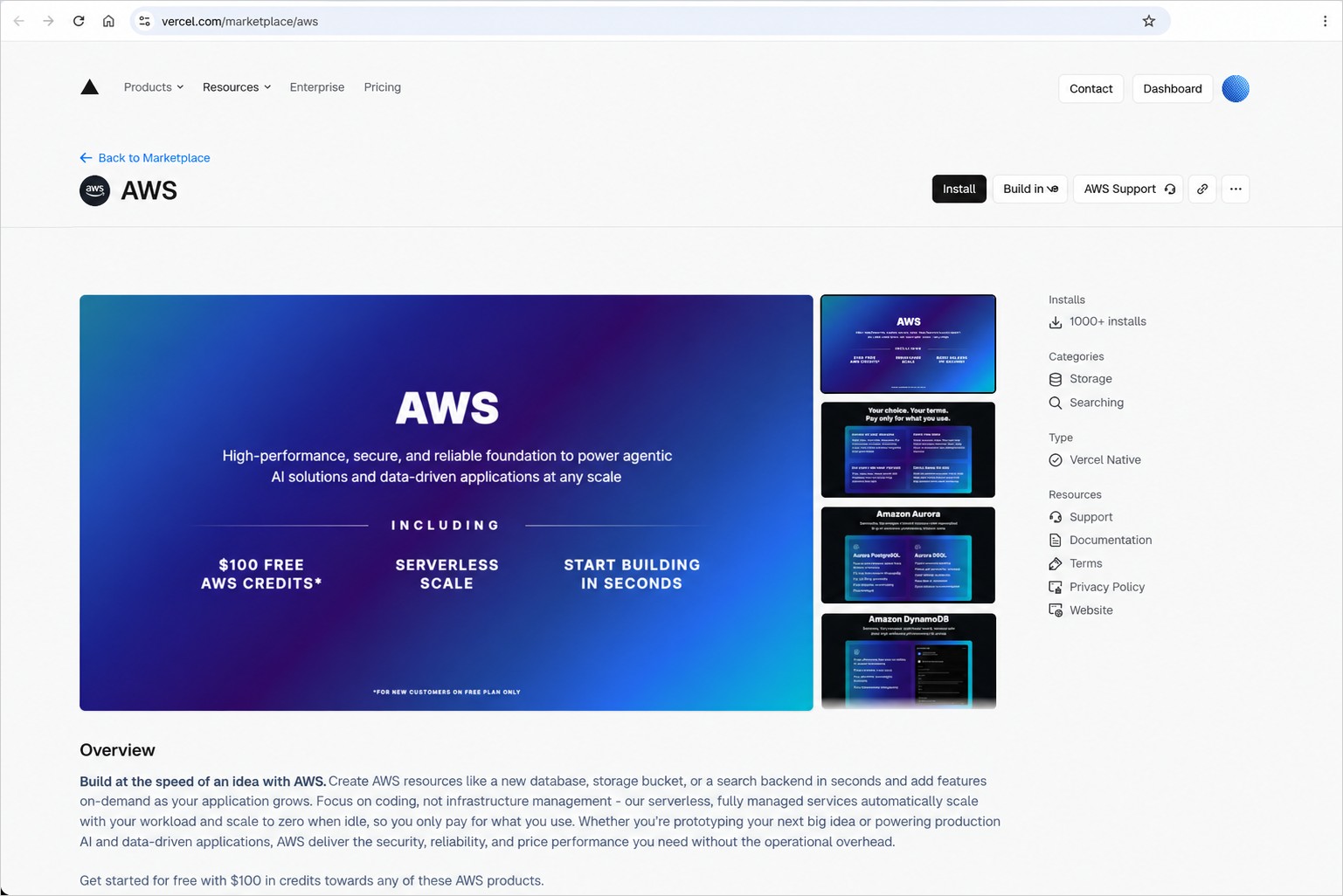
Amazon Simple Storage Service (Amazon S3), including Amazon S3 Tables and Amazon S3 Vectors, is natively available on the Vercel Marketplace and v0 by Vercel.
-
 Building Node.js applications with Sequelize ORM and Amazon Aurora DSQLby Lasita Bhattacharya on October 14, 2026 at 3:56 pm
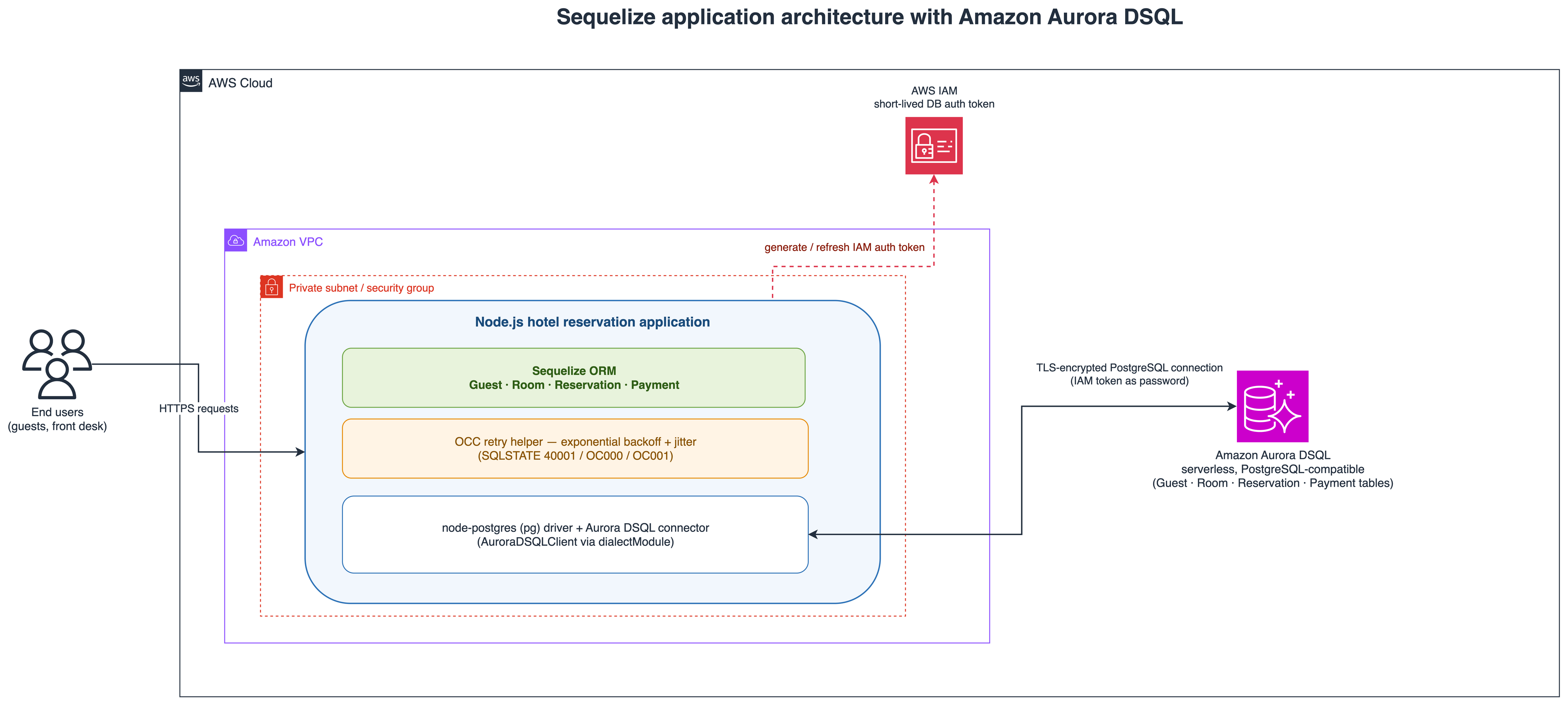
Node.js teams can run Sequelize ORM on Amazon Aurora DSQL with only a few adaptations. This post builds a hotel reservation application that shows reusable patterns: UUID primary keys, IAM authentication through the Aurora DSQL connector, individual DDL execution, and optimistic concurrency control retry logic.
-
 Reducing storage initialization impact in Amazon RDS for PostgreSQL after snapshot restoreby Sandeep Modappady on October 14, 2026 at 3:52 pm
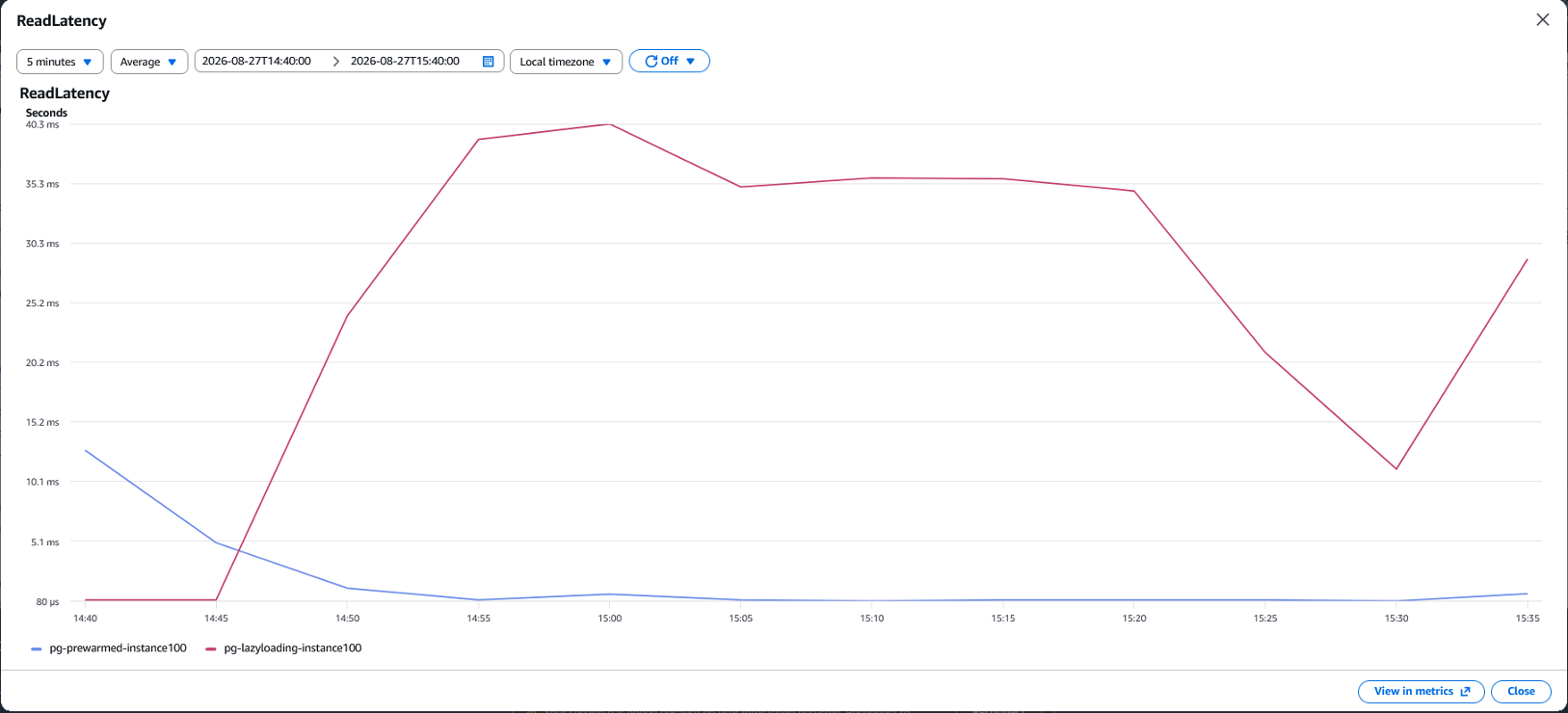
When you restore an Amazon RDS for PostgreSQL instance from a snapshot, the Amazon EBS volume hydrates lazily, so early queries can run 10x to 15x slower. This post walks through PostgreSQL-native prewarming techniques (pg_prewarm, VACUUM ANALYZE, and full table scans) and new monitoring fields to restore predictable performance faster after restore.
-
 Part 2 – Cybersecurity journeys: What even is this job?by Shannon Brazil on October 13, 2026 at 8:58 pm
If you’ve ever looked at a list of cybersecurity jobs and felt like none of them fit you, you might just be looking at a short list. Most career guides cover the same few roles, like the analyst watching alerts or the pen tester (penetration tester, someone hired to legally break into systems to find
-
 AWS Weekly Roundup: Prime Day 2026 by the numbers, Claude Haiku 5.5, Amazon Nova 2.5 Sonic, and more (October 13, 2026)by Daniel Abib on October 13, 2026 at 3:59 pm
Some numbers are hard to picture until you sit with them for a moment. Last week we published the Prime Day 2026 metrics, and the one that stuck with me is 2.3 quadrillion: the daily requests Amazon ElastiCache peaked at during the event. Prime Day ran back in June, so this post always lands as
-
 Monitor Amazon Aurora DSQL costs with the Aurora DSQL console and CloudWatch alarmsby Tejas Dubey on October 13, 2026 at 3:28 pm
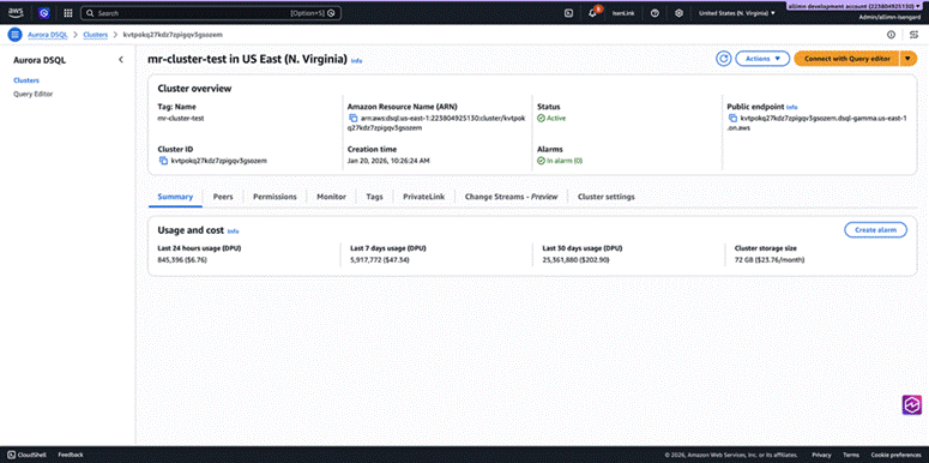
As your Amazon Aurora DSQL workload scales, DPU consumption and storage costs can grow without a fixed instance ceiling. This post shows how to monitor Aurora DSQL usage and cost with the built-in Usage and cost panel, set up Amazon CloudWatch alarms for hourly DPU spend, and deploy the alarms as code with AWS CloudFormation.
-
 Storage layout and best practices for Amazon RDS Custom for SQL Serverby Olushola Oladipupo on October 13, 2026 at 3:26 pm
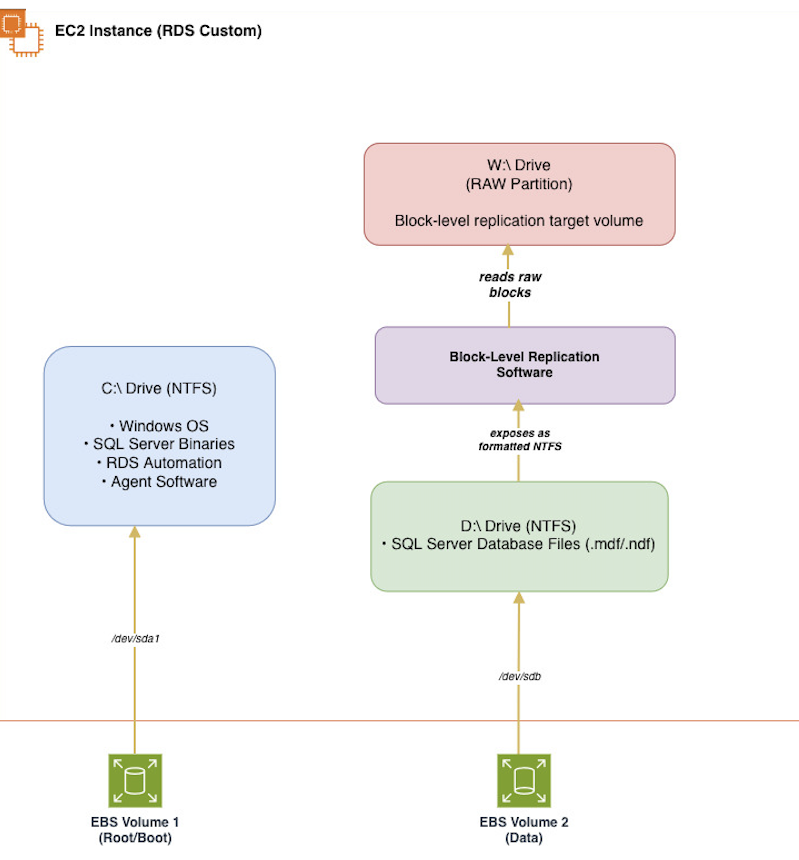
Amazon RDS Custom for SQL Server gives you OS-level access, which also exposes internal storage volumes where the W: drive looks like a raw, uninitialized disk. This post explains the C:, D:, and W: drive architecture, how the drives map to Amazon EBS, and the safe disk operations and verification checks that keep you from accidentally destroying your data.
-
 Modernizing document storage for search, scale, and agilityby Ravi Teja Bellamkonda on October 13, 2026 at 3:23 pm
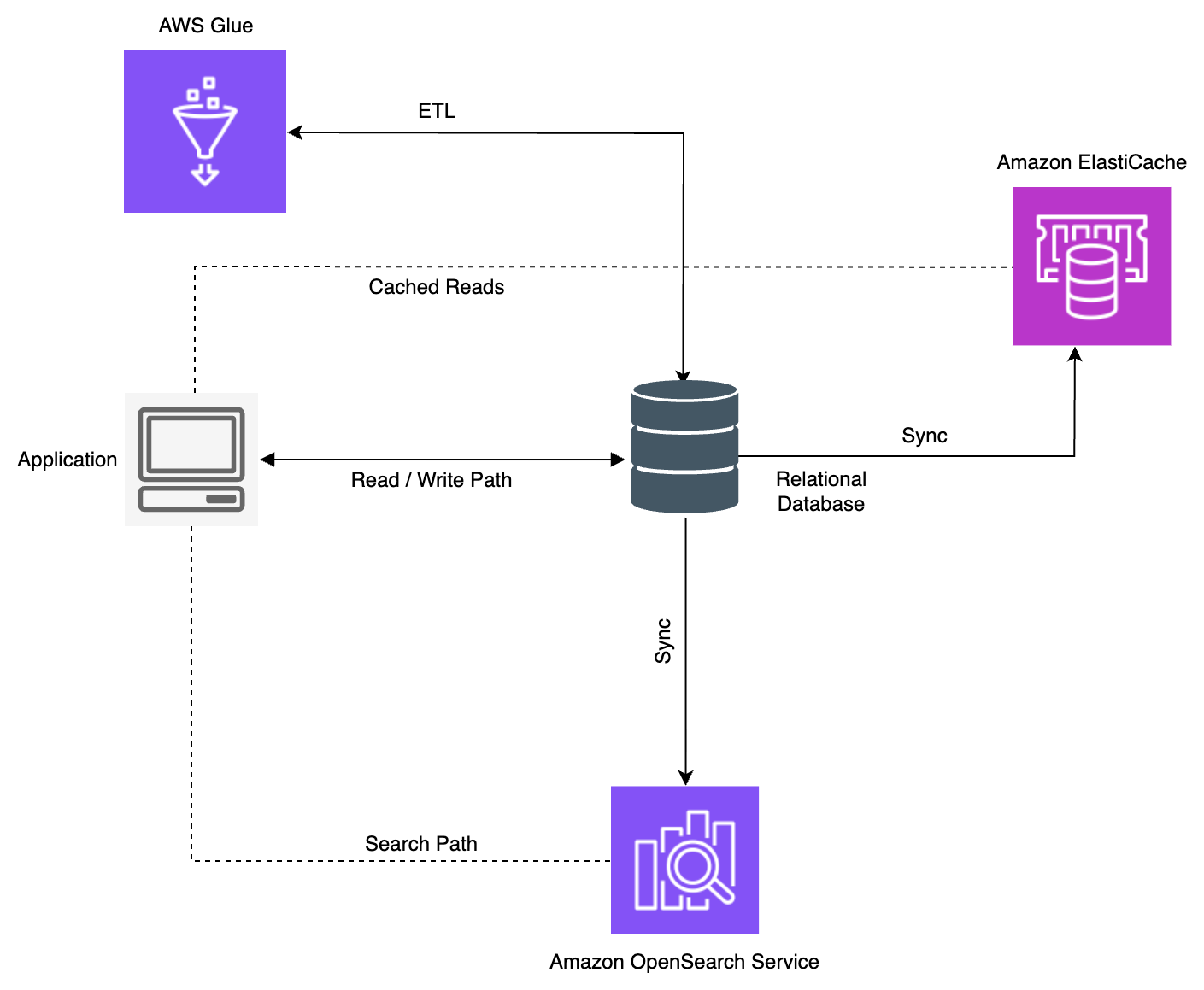
Storing extracted document data in a relational JSON or BLOB column works until you need search and scale. Learn how to recognize when document data has outgrown relational storage, and how to choose between Amazon DocumentDB and Amazon DynamoDB using a progressive, low-risk migration pattern.
-
Announcing AWS Lambda Web Functionsby Micah Walter on October 12, 2026 at 10:34 pm
AWS Lambda Web Functions is a serverless compute primitive that runs your HTTP framework natively, delivering fast, consistent responses through multi-concurrent execution and automated global distribution.
-
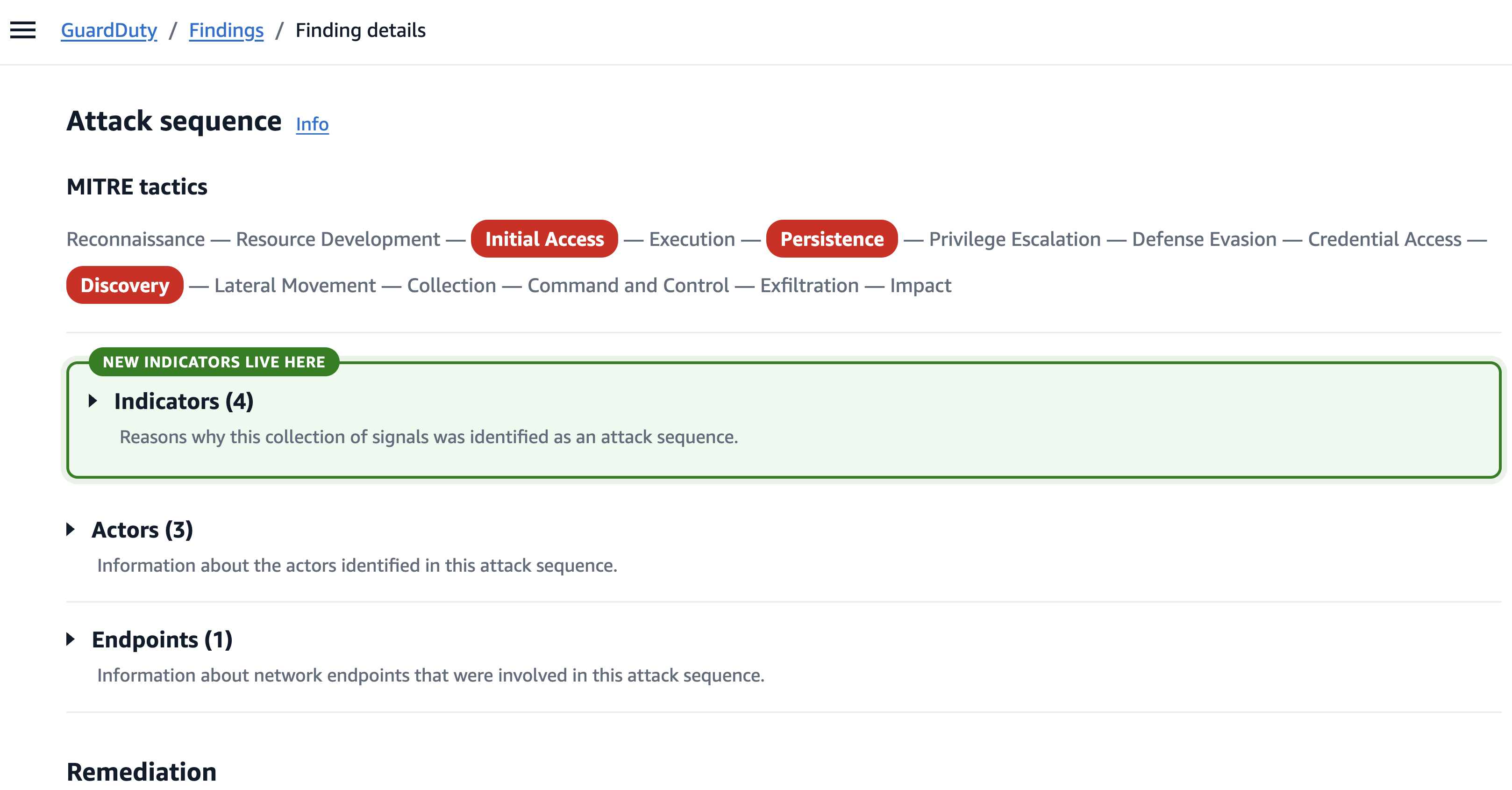 GuardDuty Extended Threat Detection has added five new indicators to surface attack sequencesby Aman Khare on October 12, 2026 at 9:58 pm
Amazon GuardDuty Extended Threat Detection correlates weak GuardDuty signals into a single, critical-severity attack sequence finding when their composition crosses a threshold of credibility. On May 20, 2026, the service started attaching five new indicator types to those sequences: MALICIOUS_PACKAGE, MISCONFIGURATION, REACHABILITY, SENSITIVE_DATA, and VULNERABILITY. For more information, see Document history for Amazon GuardDuty and
-
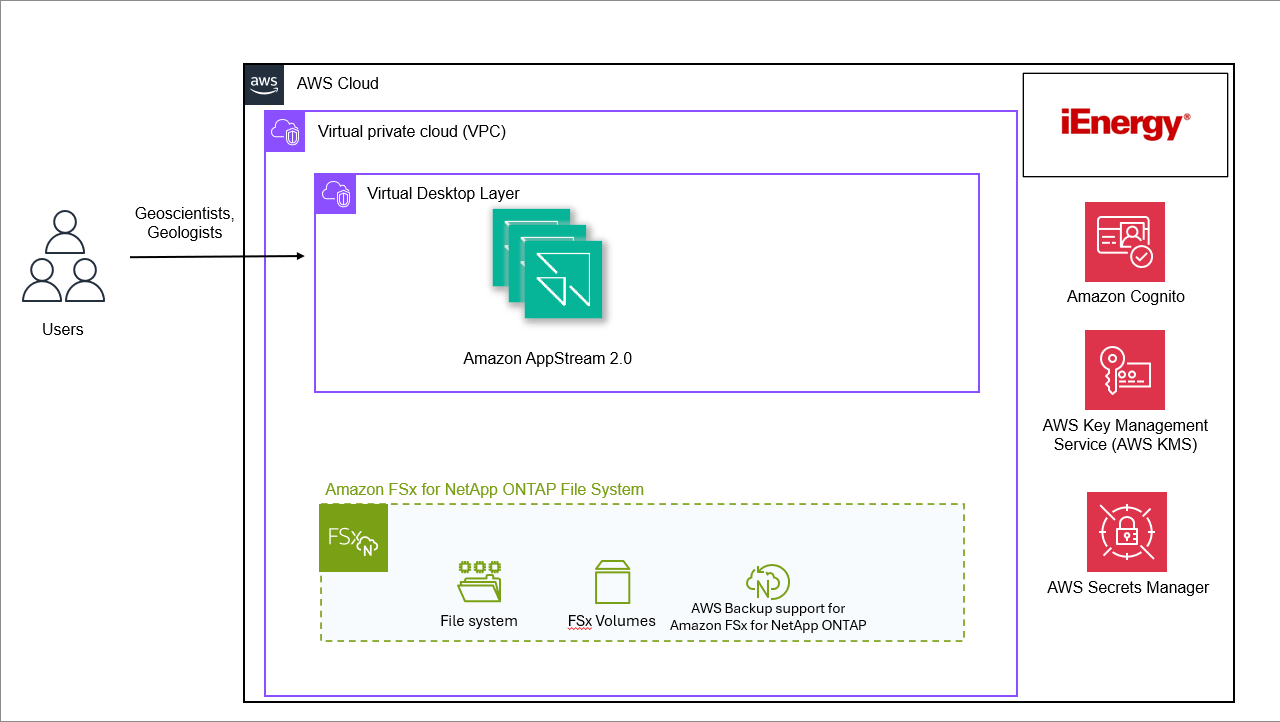 How Halliburton Landmark enhanced seismic interpretation performance and data management using Amazon FSx for NetApp ONTAPby Dmitriy Tishechkin on October 12, 2026 at 9:39 pm
Halliburton Landmark provides exploration and production software solutions through their iEnergy® cloud platform. Landmark™ Geosciences Suite, a DecisionSpace® 365 solution, helps energy customers characterize the subsurface with clarity. Landmark delivers Geosciences Suite to users around the world as a cloud service through the Amazon Web Services (AWS) cloud platform. For oil and gas operators engaged
-
 Quantum-resistant signing on AWS, Part 2: Enforce your ML-DSA algorithm policy with SCPs and IAMby Harshvardhan Chunawala on October 12, 2026 at 8:13 pm
You want to set a cryptographic algorithm policy and stop non-compliant choices from being made in your Amazon Web Services (AWS) environment. This post shows you how. As you adopt post-quantum cryptography, one of the first decisions you face is which algorithms and parameter sets fit your business needs, balancing security against signature size, key
-
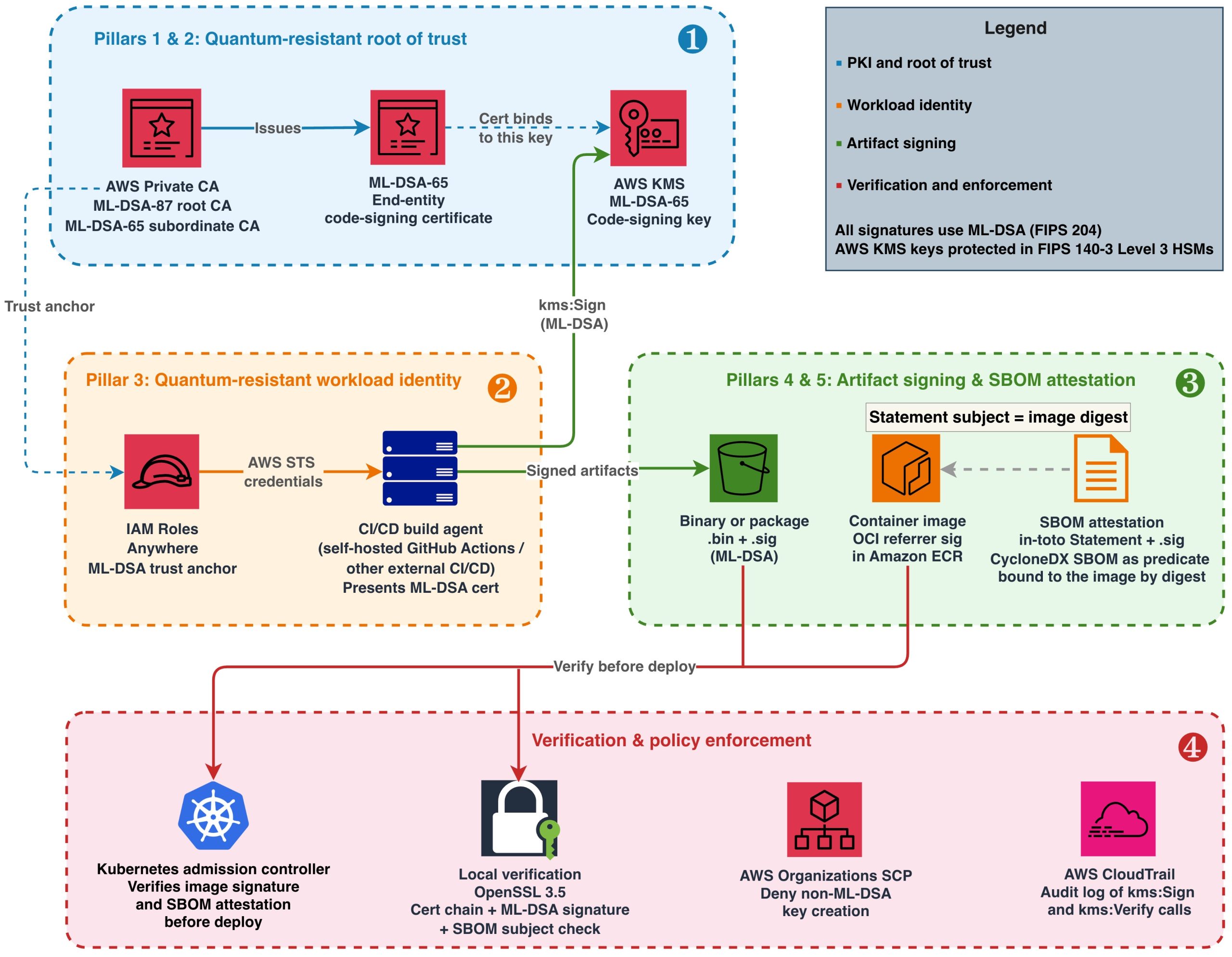 Quantum-resistant signing on AWS, Part 1: Build a software supply chain with ML-DSAby Harshvardhan Chunawala on October 12, 2026 at 8:12 pm
Software supply chain attacks have grown in both frequency and sophistication. Recent high-profile compromises of build systems and open source dependencies demonstrate that attackers increasingly target the trust mechanisms that verify software integrity. Those trust mechanisms rely on digital signature algorithms, and today many use traditional algorithms such as Rivest-Shamir-Adleman (RSA) and the Elliptic Curve
-
 Understanding the differences between PgBouncer and Amazon RDS Proxy for PostgreSQL connection poolingby Stephen Wood on October 12, 2026 at 4:14 pm
Compare Amazon RDS Proxy and PgBouncer for PostgreSQL connection pooling on AWS. This post explains how each pooler handles pooling modes, authentication, failover, and session-state pinning, and gives you a framework to choose between a fully managed service and a self-managed pooler.
-
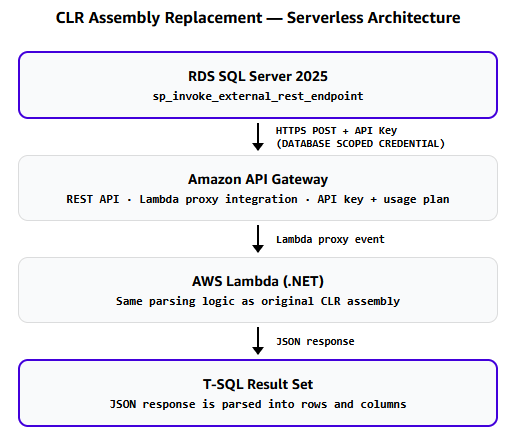 Migrate CLR code to AWS Lambda when upgrading Amazon RDS for SQL Server to 2025by Raunak Gupta on October 12, 2026 at 4:11 pm
After upgrading Amazon RDS for SQL Server to 2017 or later, CLR strict security leaves user-defined CLR assemblies unusable. This post shows how to migrate CLR logic with no native T-SQL equivalent to an AWS Lambda function, invoked from SQL Server 2025 through sp_invoke_external_rest_endpoint behind Amazon API Gateway.
-
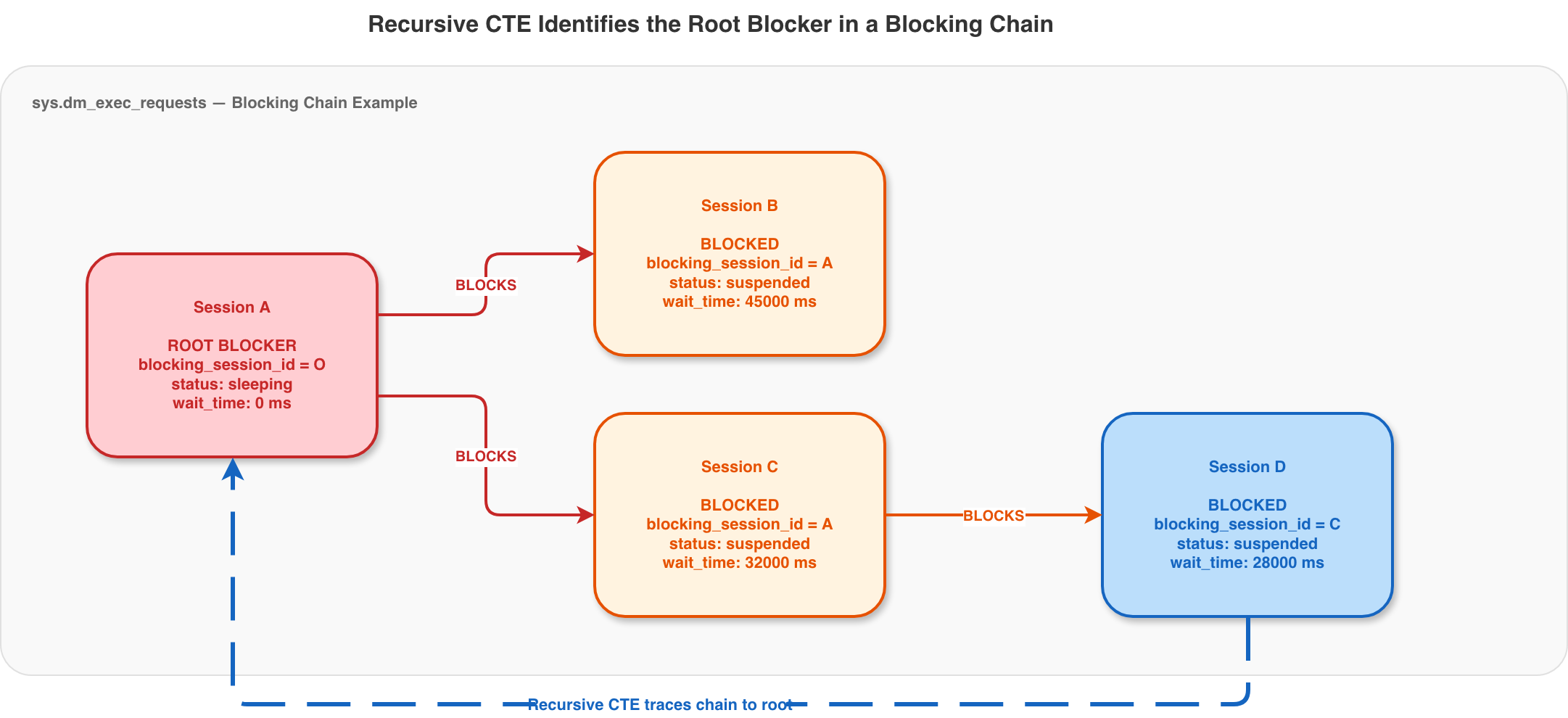 Automated blocking and query alerts for Amazon RDS for SQL Serverby Sreedhar Reddy Bakkireddy on October 12, 2026 at 4:06 pm
Learn how to build automated email alerts for blocking chains and long-running queries on Amazon RDS for SQL Server. This serverless solution uses AWS Lambda, Amazon CloudWatch, and Amazon SES to detect blocking, identify the root blocker, and send HTML email alerts for approximately $2.57 per month.
-
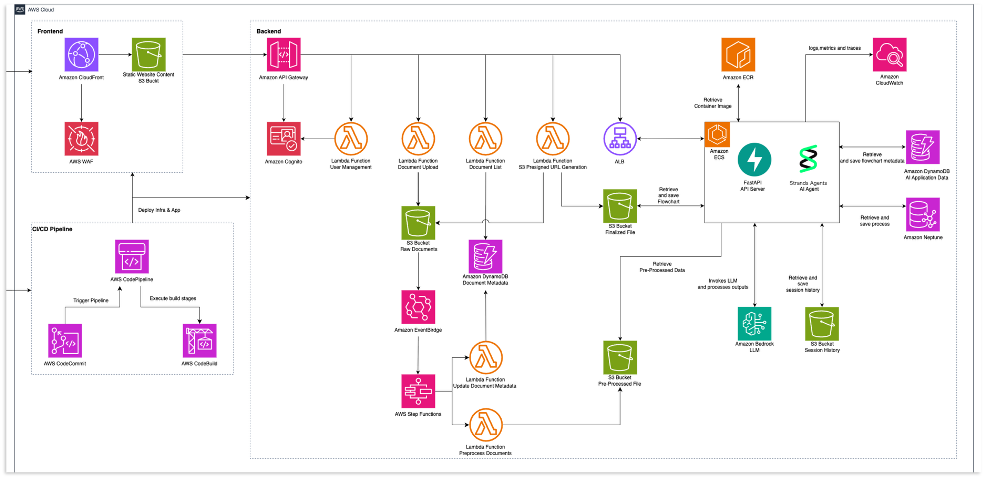 How MUFG Bank aims to cut flowchart work by up to 90% with ontology-grounded AI on Amazon Neptune and Amazon Bedrockby Ozan Eken on October 8, 2026 at 3:24 pm
MUFG Bank standardized overseas back-office procedures across roughly 30 countries by grounding generative AI in a structured domain model on Amazon Neptune and Amazon Bedrock. Its AI Flowchart application is expected to cut the system-development effort behind each branch-procedure standardization from 11 person-days to 1, a reduction of up to 90%.